
Pro Food India Expo 2026 Conference
Theme: Building manufacturing excellence capabilities in Indian food processing operations
- 28-29 October 2026
- Bombay Exhibition Centre, Mumbai
Conference Program
A conference is a vibrant gathering of individuals united by a common interest or profession. It’s a dynamic platform which provides unique opportunity for attendees to engage with industry experts and thought leaders through insightful panel discussions. They can network with like-minded peers, potential collaborators, and innovators where they can exchange knowledge, ideas, and experiences to foster collective growth and discover new trends, technologies, and solutions.
More details are coming soon.
About the Conference
The Future of Food Processing
- AI
- Robotics
- Automation
- Sustainability
Shaping intelligent, sustainable and efficient food manufacturing for better tommorow
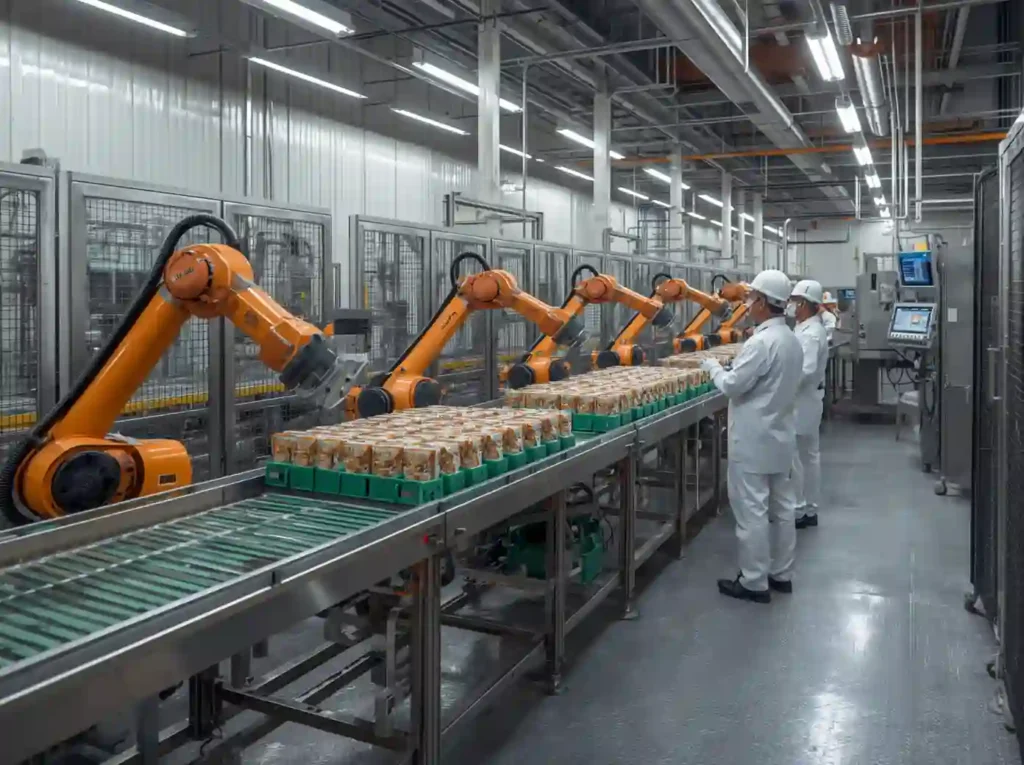
Imagine Food Manufacturing in 2040
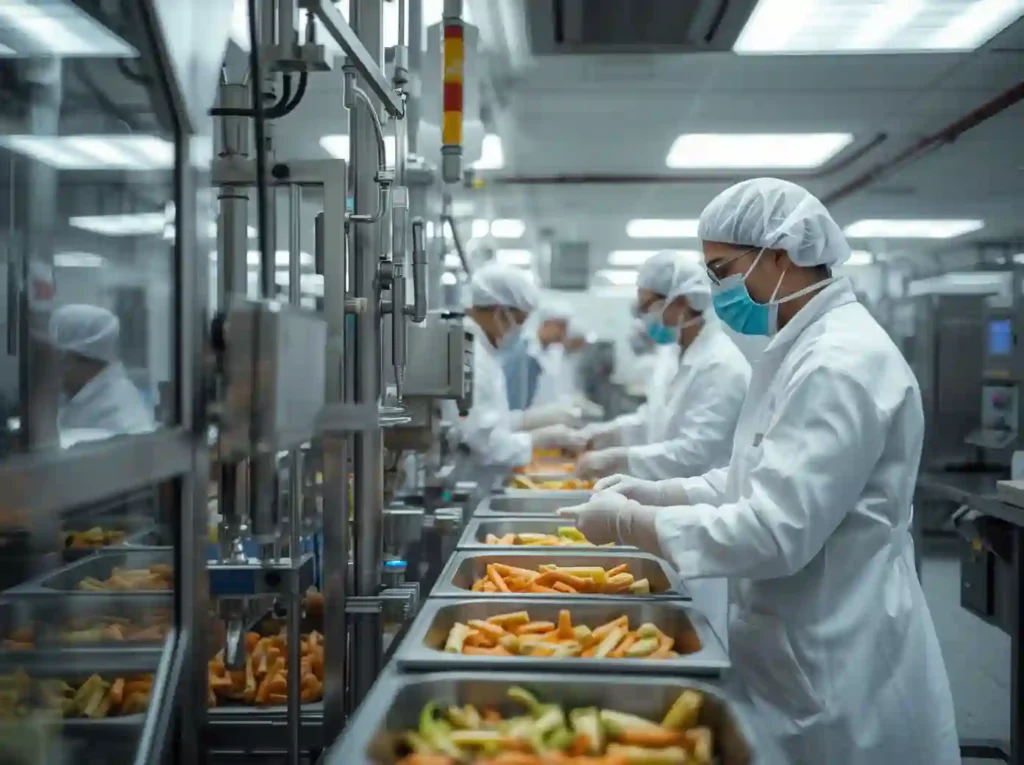
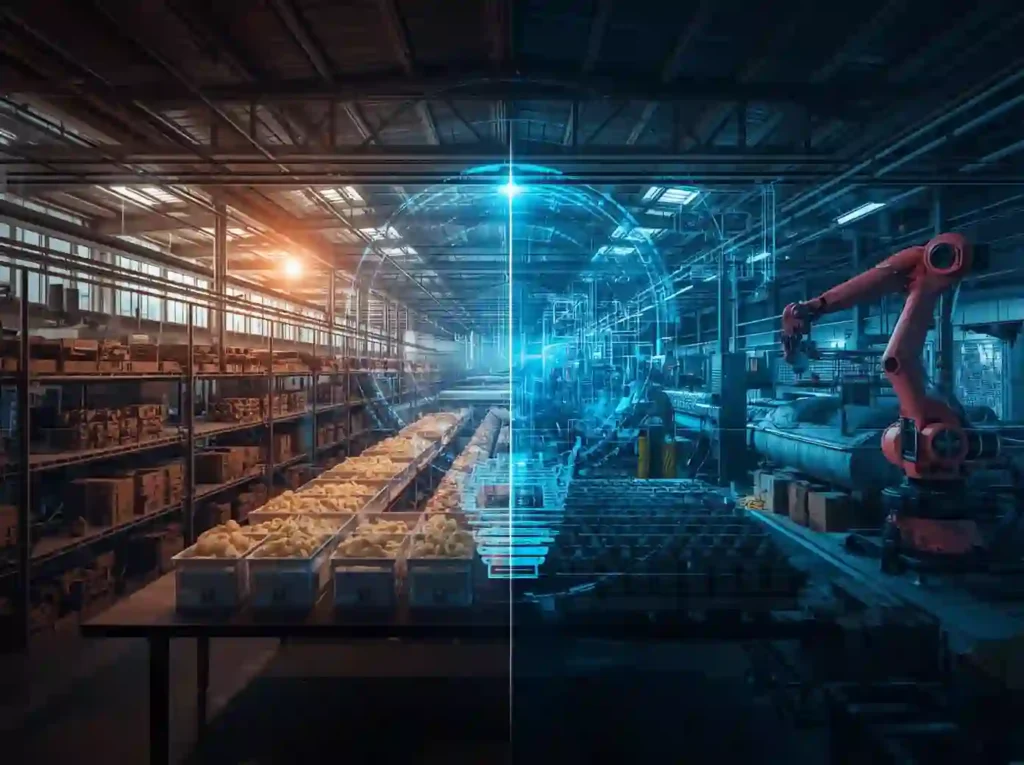
You step into an SME food processing plant. Gone are the days of disconnected equipment and manual oversight. In their place are smart factories integrating technology and data to optimise every part of the process — from receiving raw materials to shipping the final product.
Intelligent and Smart manufacturing

AI- Powered Systems
Monitor Equipment performance in real time and optimise production schedule
Machine Learning
Analyse product homogeneity, remove defects and ensure batch consistency.

Robotics Automation
Robotics handles mixing, slicing and packaging minimizing contamination and infection risk

Digital Twins
Stimulate in-transit forecast routes and troubleshoot potential disruptions during movement.
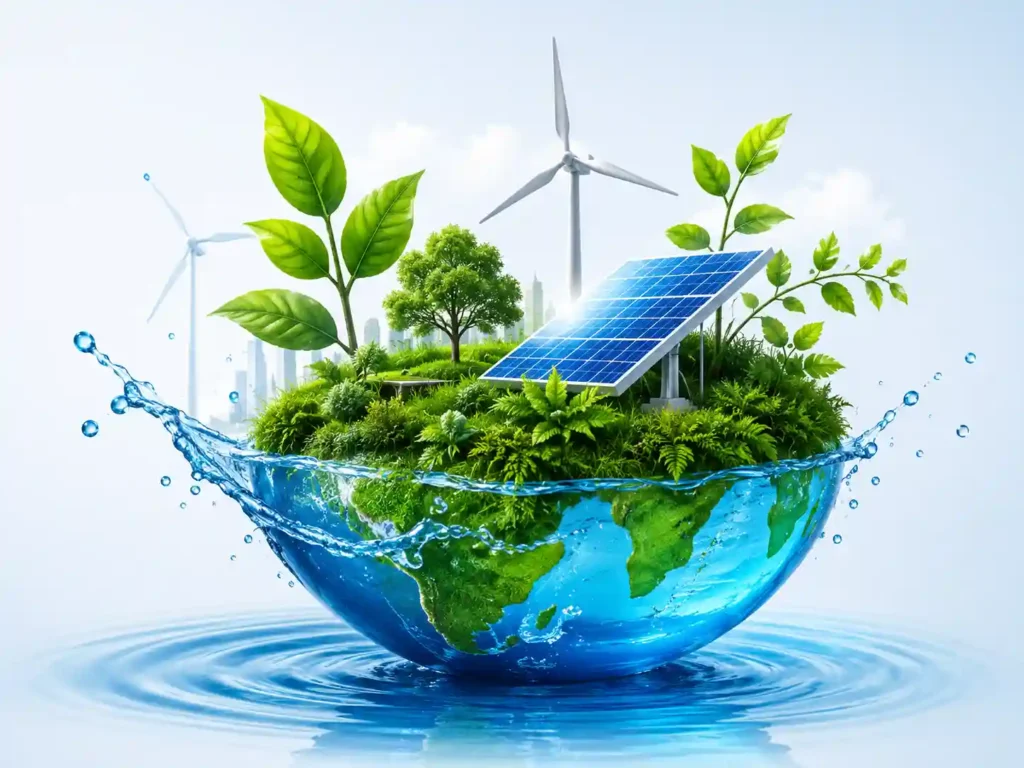
Sustainable Operations
Smart processing technologies enable sustainable manufacturing by optimising energy consumption, reducing waste generation and promoting responsible water stewardship. Through intelligent automation and resource-efficient processes, manufacturers can improve operational efficiency while supporting long-term environmental goals.
Enabling Operational Excellence
Risk based Production Efficiency
Prioritises proactive hazard prevention over reactive testing. Export-compliant machinery aligns with global safety, quality, hygiene & sanitary standards
Skilled & Future-Ready Workforce
Engaged in L&D programmes, keeping abreast of the latest hygiene, material & engineering standards. Data teams use historical tools for prescriptive decision-making.
Productivity & Efficiency Gains
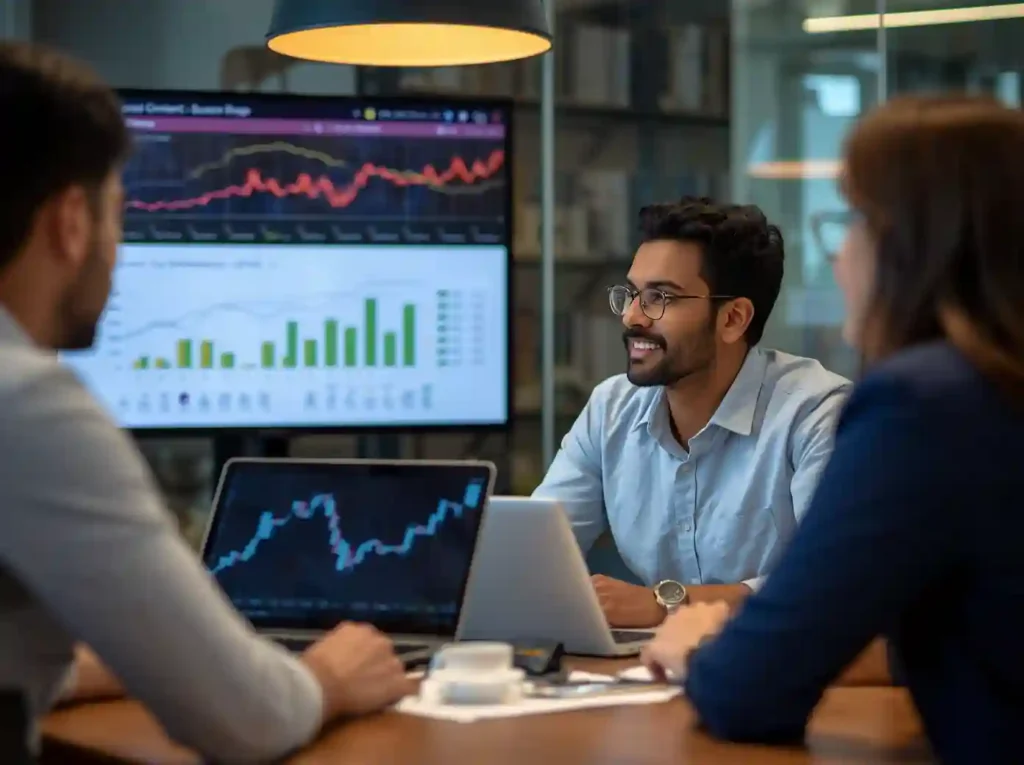
Data-driven insights ensure smarter operations, continuous improvement & higher productivity.
Our Vision at
Pro Food India 2026 Conference
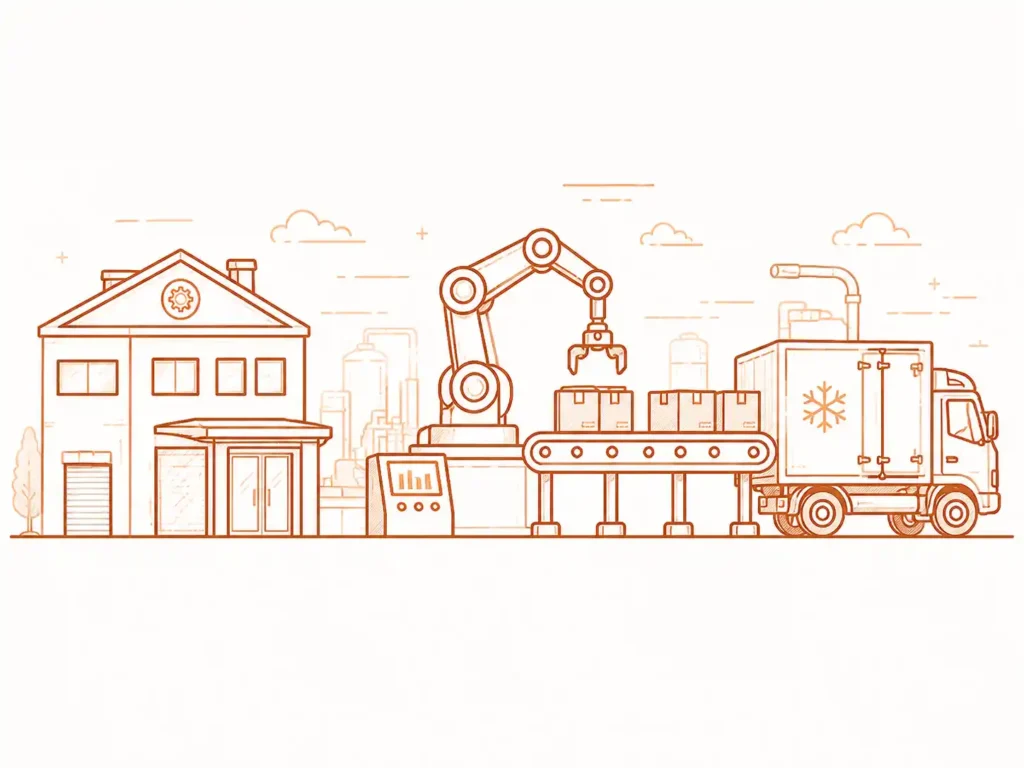
Join Us as we seek to paint this future facing picture at the Profood India 2026 Conference
Through informative panel discussions and debates, we aim to mainstream smart manufacturing practices, intelligent equipment adoption, energy conservation and ergonomic material handling solutions in the food processing industry. The programme will examine manufacturing excellence in Indian food processing operations through the prism of equipment design, innovation, digital transformation, standardisation and certification, material handling, safety, quality and hygiene, energy management, and clean labelling.
Building manufacturing excellence capabilities in Indian food processing operations
Day I: 28th October 2026
12:30 hrs – 17:45 hrs
12:50 hrs
Discussion I
- A look at India's fried savoury market revolution.
- How HoReCa, QSRs, coffee chains and bakeries are supporting the growth of snack and Ready-to-Eat industries.
- Industry drivers accelerating adoption of modern processing technologies in snack manufacturing.
- Adoption of intelligent and continuous processing systems to minimise energy consumption while producing healthier snack options.
- Future of continuous frying systems and key technological advancements shaping plant operations.
- Role of smart processing technologies in improving productivity, energy efficiency, sustainability, food safety, quality, compliance and profitability.
- Examining successful deployments in Indian manufacturing facilities.
- Best practices followed by future-ready snack factories.
14:50 hrs
Discussion II
- Spotlight on food hygiene, material and engineering standards in India and the regulatory bodies shaping the future of food processing.
- Scale and scope of Good Manufacturing Practices (GMP) for plant operations.
- Examining standards from product entry to product dispatch within food processing facilities.
- Understanding pain points that impede GMP adoption among Indian food processors.
- Challenges impacting the adoption and development of standards in the Indian food processing equipment sector.
- Future of standards for food equipment manufacturers with emphasis on safety, IoT-enabled traceability and sustainability.
- Market drivers encouraging wider adoption of globally accepted standards among equipment manufacturers.
15:50 hrs
Discussion III
- Understanding the nature of SME food processors – highly unorganised, family-run businesses with limited financial awareness.
- Major pain points in raising working capital for raw materials, labour, utilities, equipment, technology and R&D.
- Addressing access-to-credit concerns including stringent lending norms and lengthy approval processes.
- Role of fintech companies in providing digital lending platforms and smart supply-chain finance solutions.
- Rise of D2C food brands and the growing role of venture capital funding.
- Government initiatives and schemes supporting MSME food processors.
- Policy recommendations for improving affordability and accessibility of finance.
- Roadmap for strengthening credit facilities for India's SME food processing sector.
Day II: 29th October 2026
10:00 hrs to 17:00 hrs
11:50 hrs
Discussion IV
- Impact assessment of clean label, high-protein, reduced-sugar and functional bakery products on manufacturing operations.
- How labour shortages, product complexity and increasing raw material costs are accelerating automation and digitalisation in bakery plants.
- Sustainability priorities driving improvements in energy efficiency, water conservation and waste reduction.
- Role of innovation in new product development and smart bakery manufacturing.
- How automation and process optimisation help minimise material, labour and energy costs while improving manufacturing excellence.
- Successful examples of AI, IoT, robotics, automation, blockchain and sustainable bakery operations.
- Global best practices shaping the bakery industry of the future.
12:50 hrs
Discussion V
- Understanding the typical Indian SME food processor and how family-led businesses approach technology investments.
- Impact of predictive technologies on plant efficiency, quality assurance and supply-chain management.
- Challenges faced while adopting advanced technologies including investment costs, implementation timelines and return on investment.
- Implementation barriers such as shortage of skilled manpower, cybersecurity concerns and integration with existing machinery.
- Benefits of technology adoption in food safety, traceability, production efficiency and waste reduction.
- Practical applications of data science, sensors, simulation technologies and geospatial analytics in food processing.
- Government policies and incentives encouraging technology adoption in the food processing sector.
- Real-life success stories from Indian manufacturers who have successfully implemented advanced technologies.
14:50 hrs
Discussion VI
- Demand analysis for HVACR in food processing operations and the expected outlook over the next decade.
- SME perspectives on the impact of innovation in HVACR technologies over the coming years.
- How increasing focus on food preservation, safety, quality, hygiene and logistics is driving innovation in thermal processing equipment, cold storage and industrial refrigeration.
- Assessing the economic, environmental and energy impact of HVACR systems in food processing plants.
- Emerging technology trends and innovations transforming the HVACR industry.
- Opportunities for adopting renewable and alternative energy technologies in food manufacturing facilities.
- Impact of stricter food safety regulations, audits and EPR guidelines on energy management strategies.
- Indian and international best practices in energy-efficient food processing operations.
- Government subsidies and incentive programmes supporting long-term sustainability and Net Zero goals.
15:50 hrs
Discussion VII
- Demand drivers influencing the future growth of India's fruits and vegetables processing equipment market.
- Processing-as-a-Service (PaaS) through modular and mobile processing units that reduce heavy capital investment.
- Role of automation, freeze drying and advanced preservation technologies in improving shelf life and export competitiveness.
- Export-focused processing enabled through compliance-driven technologies and modern manufacturing practices.
- Smart processing technologies transforming cultivation, processing, storage, distribution and marketing of fresh produce.
- Growth opportunities for specialised processing equipment catering to niche product segments.
- Government-backed infrastructure development and incentive schemes supporting the sector.
- Successful technology deployment case studies from Indian processing industries.
- Global best practices shaping the future of fruits and vegetables processing.
Speaker Profiles
Directorates of food regulatory and enforcement agencies
Chairpersons from food safety, quality and hygiene audit authorities
Administrators from food training, compliance, skills and innovation institutes
Departmental leads from food testing and calibration laboratories
Leaders of the food industry
Heads of Manufacturing Excellence; Facility, Maintenance and Plant Operations
Functional leaders in Safety and Hygiene; QA-QC
Chiefs of Supply Chain and Logistics
Sustainability, EHS and ESG directors
Leaders in Food Innovation, Food R&D and Food Technology
Corporate Chiefs of Engineering and Material Sciences
Public Policy and Government & Industry Relations Directors; Company Secretaries
Heads of Business from food processing, air-conditioning and refrigeration, and material handling equipment manufacturers
CTOs and Digital Transformation and Data Science teams
F&B D2C founders
Leaders from banking, financial services, lending institutions and fintech
Founders in automation, robotics, AI, blockchain, IoT, AR-VR, data analytics and geospatial technology
Certification and Standards Heads (Food Business)
Our Eminent Speakers
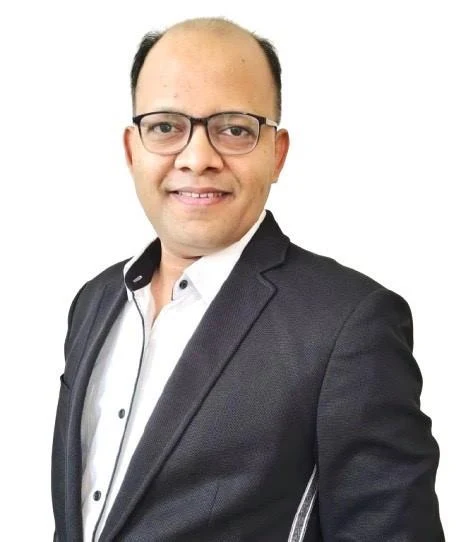
Mr. Mohit Shrivastava
AVP-Research & Consulting
Coherent Market Insights
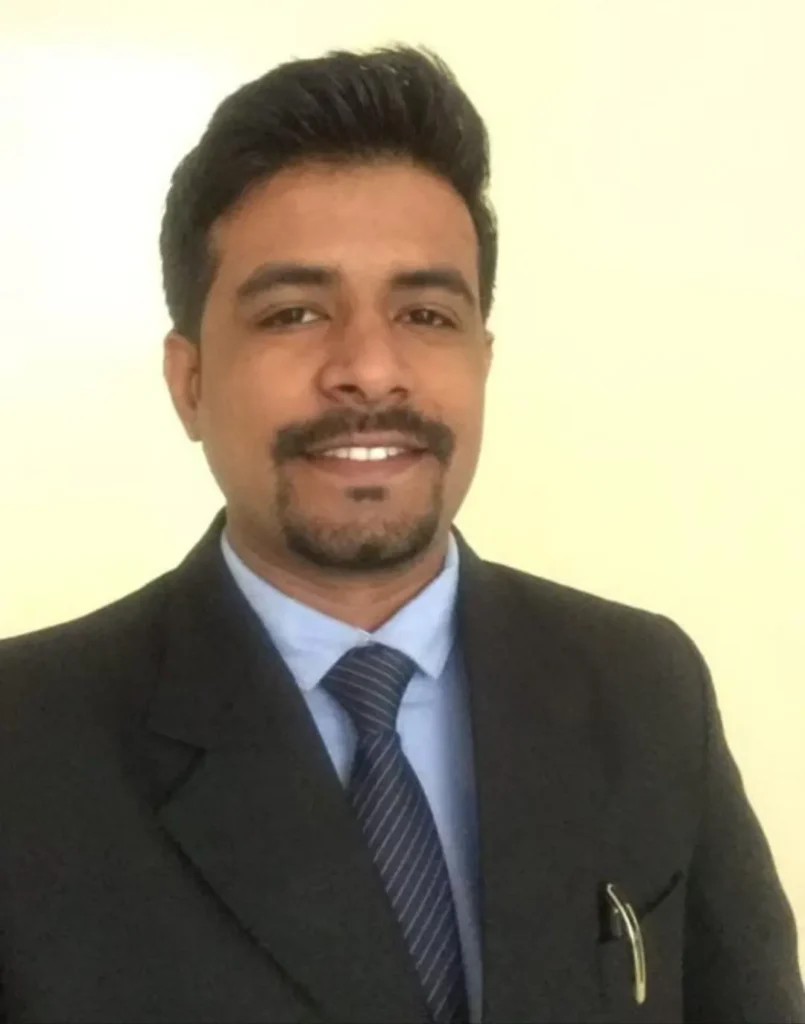
Mr. Shubham Choubey
Head of Logistics Operations (Export and Supply Chain)
M.O.M Meal of the Moment

Mr. Gautam Agicha
Founder
Gourmax Foods LLP
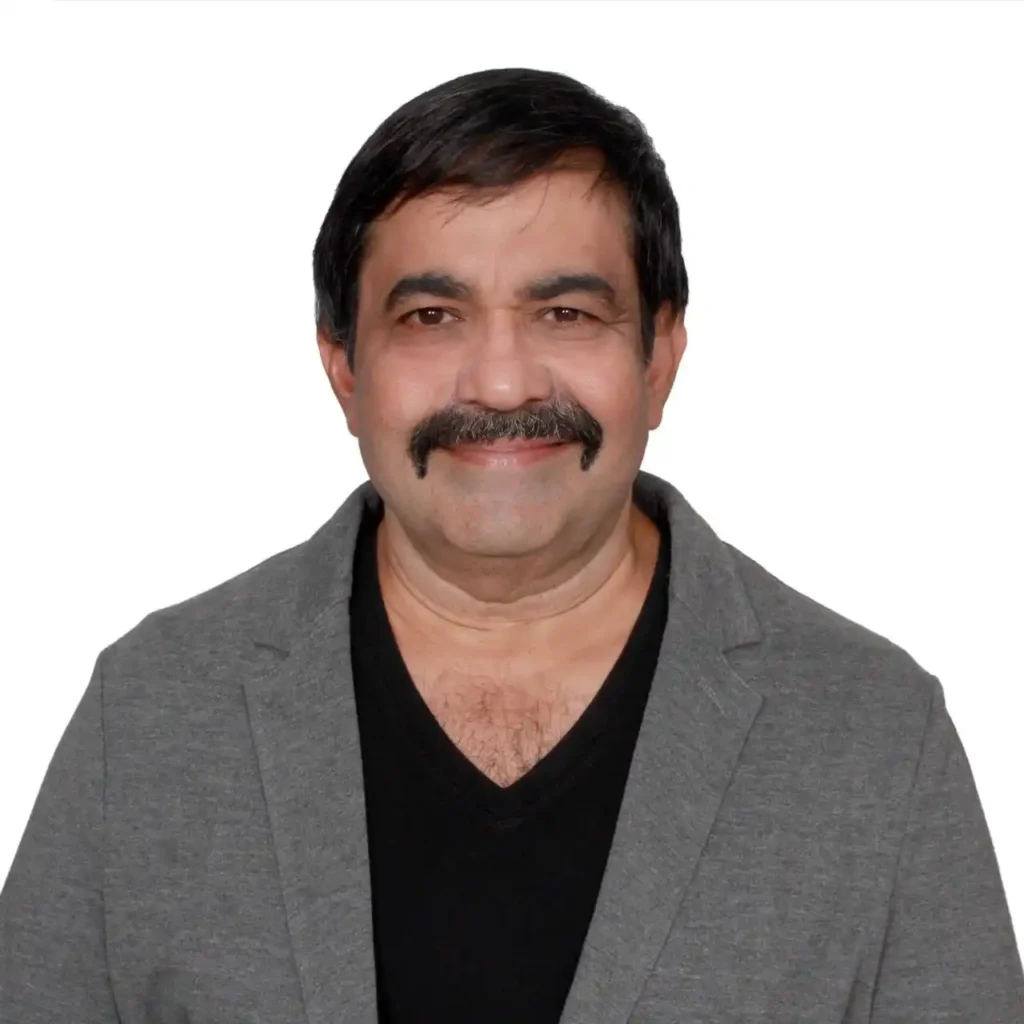
Mr. Ganesh Kamath
Owner
Gokul Icecreams & Gokul Foods & Dairymade Products
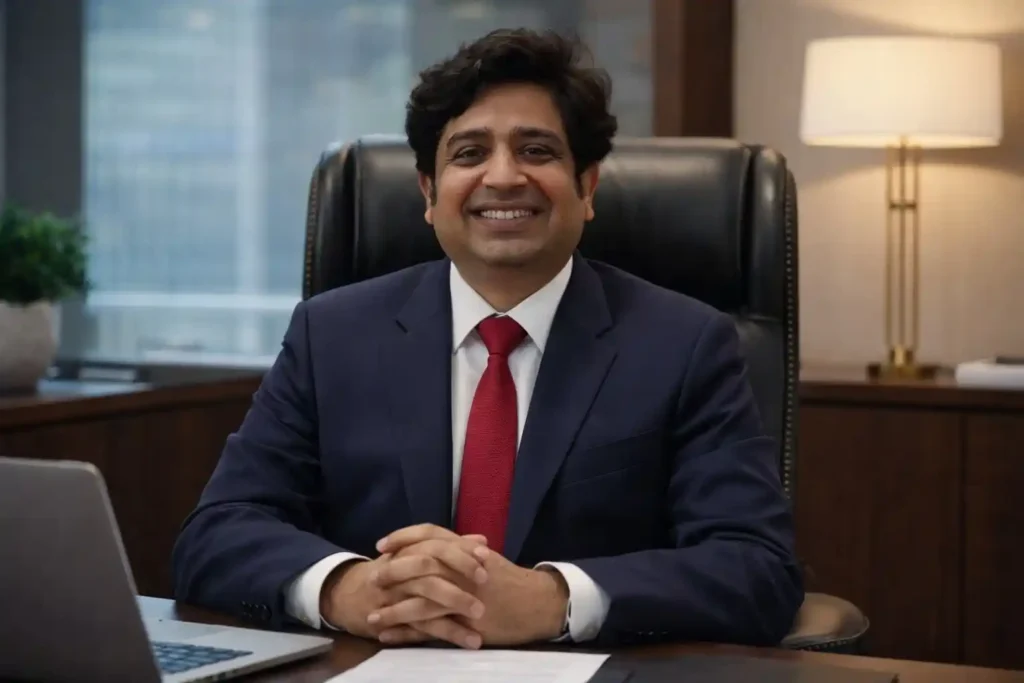
Dr Ashok Kumar Marwah
Vice President
MLJ Industries
Dr. Kaushik Sengupta
Head Management System and Food Certification
Bureau Veritas, South Asia
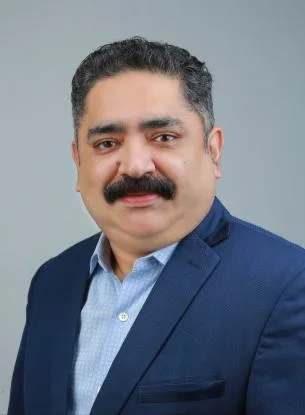
Mr. Pramod Francis
Chief Visionary Officer
Perfetto Naturals
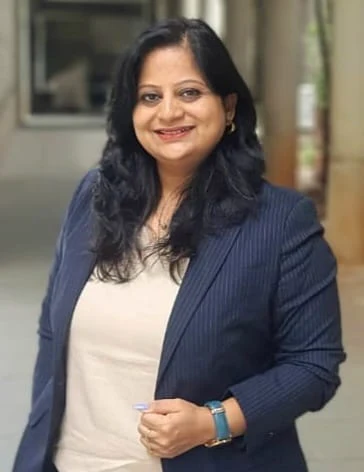
Ms. Bhagyashri Mhatre
Founder & Director
Food Monk Innovations
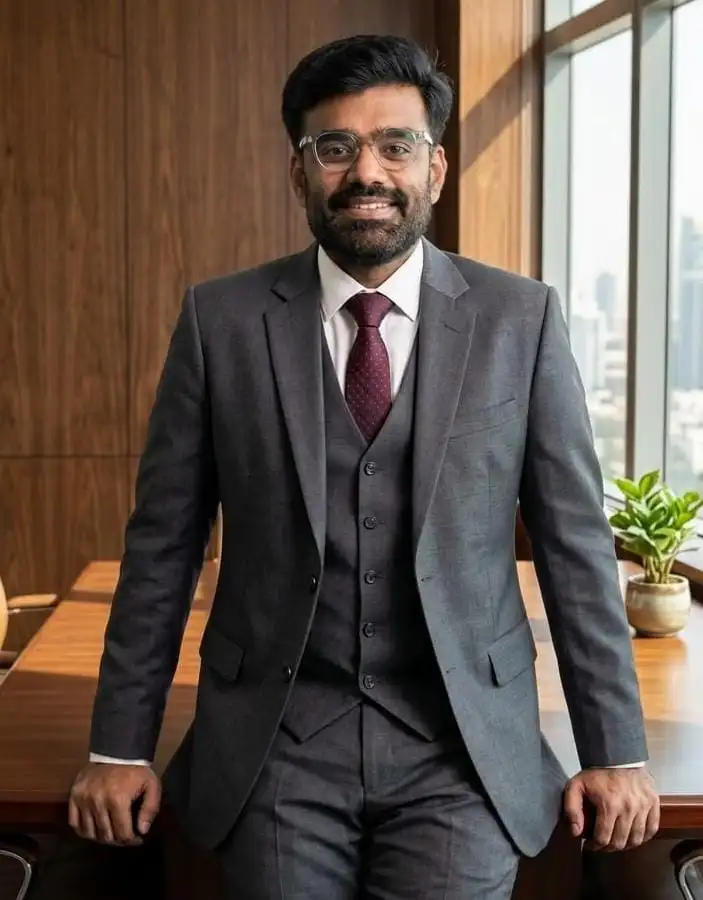
Mr. Hardik Sejpal
Partner
Jamsons Industries

Ms. Smita Murthy
India Representative
FSSC

Mr Kaushal Dongre
CEO
Paawak Foods
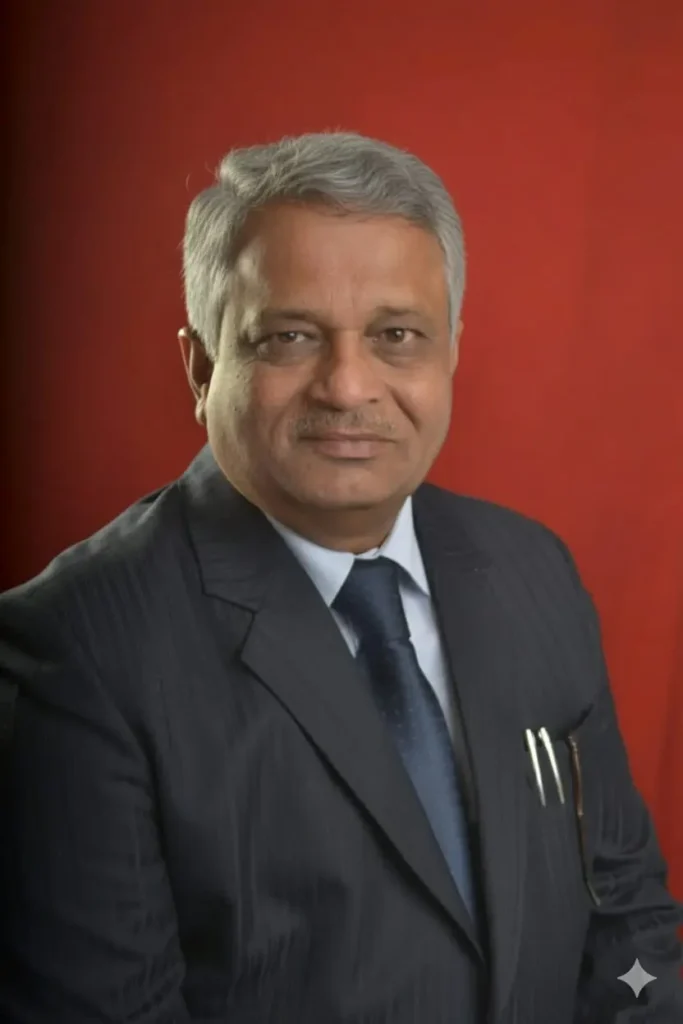
Mr. Milind Jahagirdar
CEO
Jahagirdar Foods
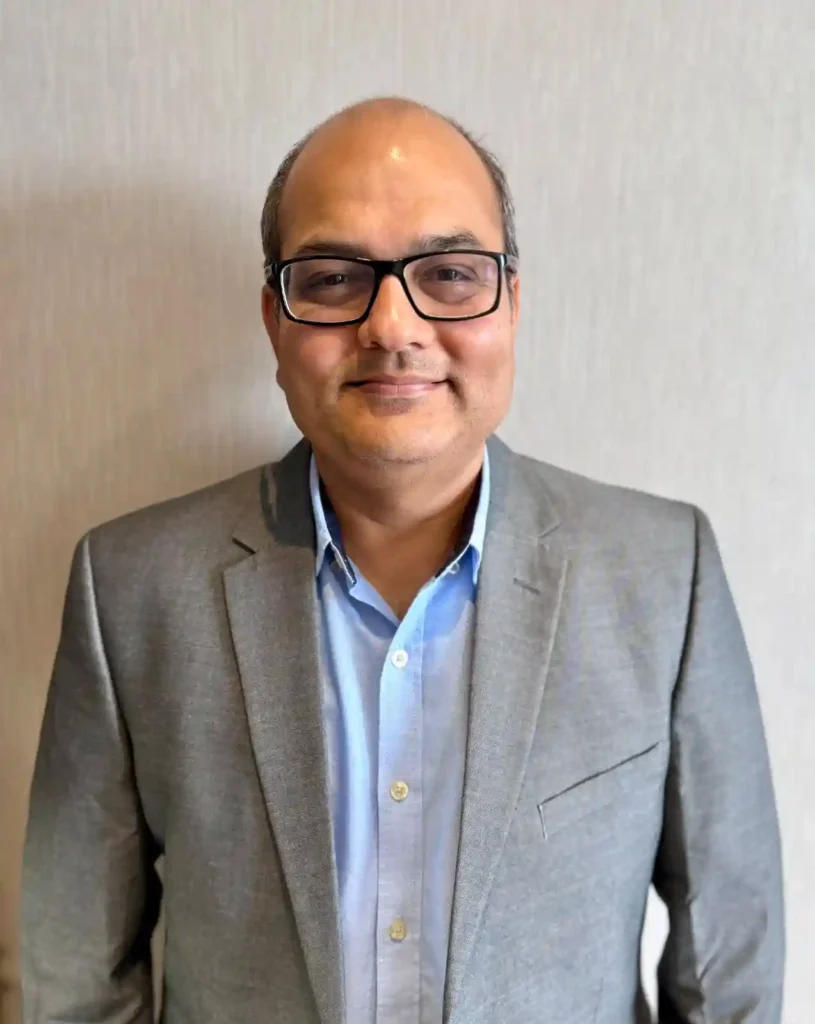
Mr Manesh Damani
Director
Skyline Foods LLP
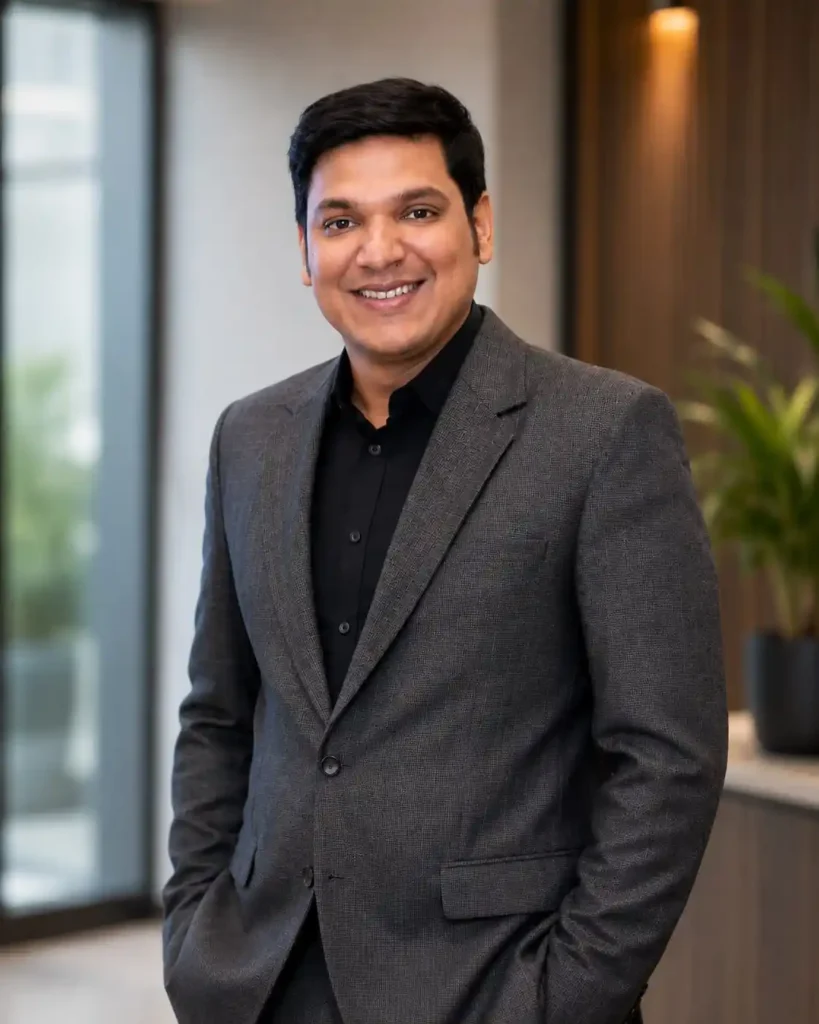
Mr Ark Agrawal
Director
Plants Genic Pvt. Ltd.
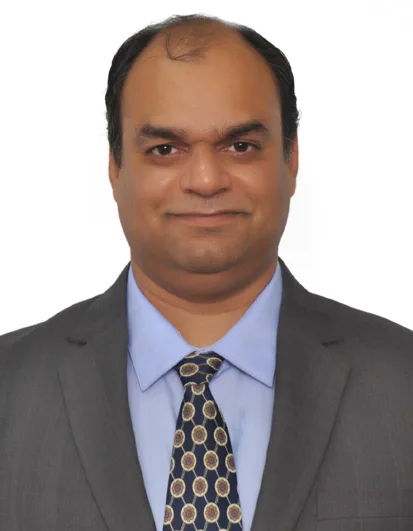
Mr. Ritesh Mathur
President, AFST & Founder
F2F Food & Beverage Consultants
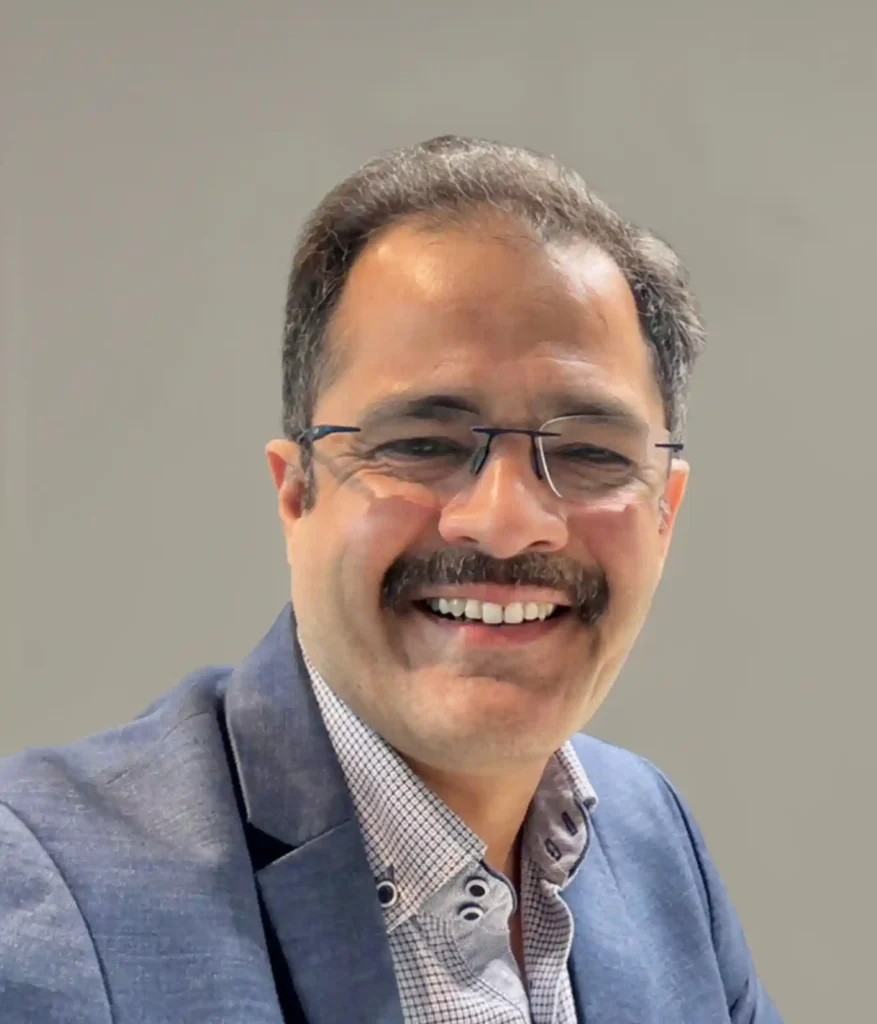
Mr. Rajinder Bhagat
Managing Director
Orchard Brands Private Limited

Dr. Anurag Mishra
Group Head - Quality Assurance and Food Safety
Shree Renuka Sugars Ltd.
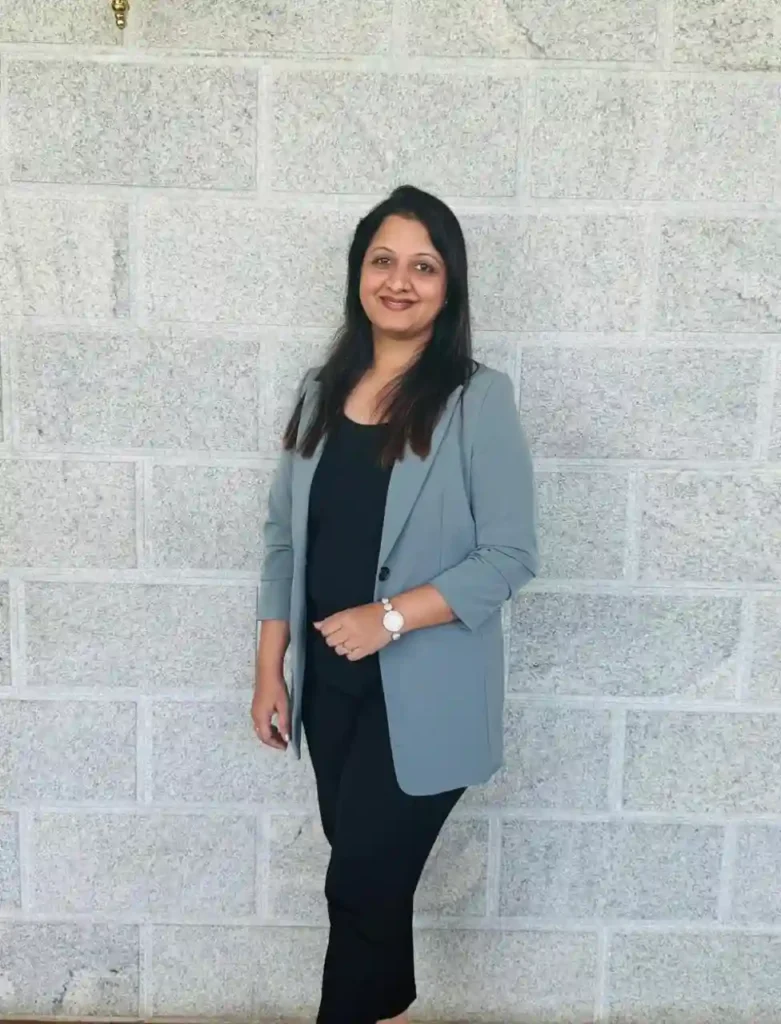
Ms. Preeti Deshmukh
CEO and Co-founder
Food Nest

Mr. Shrikant Choudharry
Director & Founder
Indovela Pure
Ms. Ratanpriya Mathur
Co-Founder
F2F Food and Beverage Consultants
Mr. Rupam Baruah
Business Head Sustainability Services
Bureau Veritas, South Asia
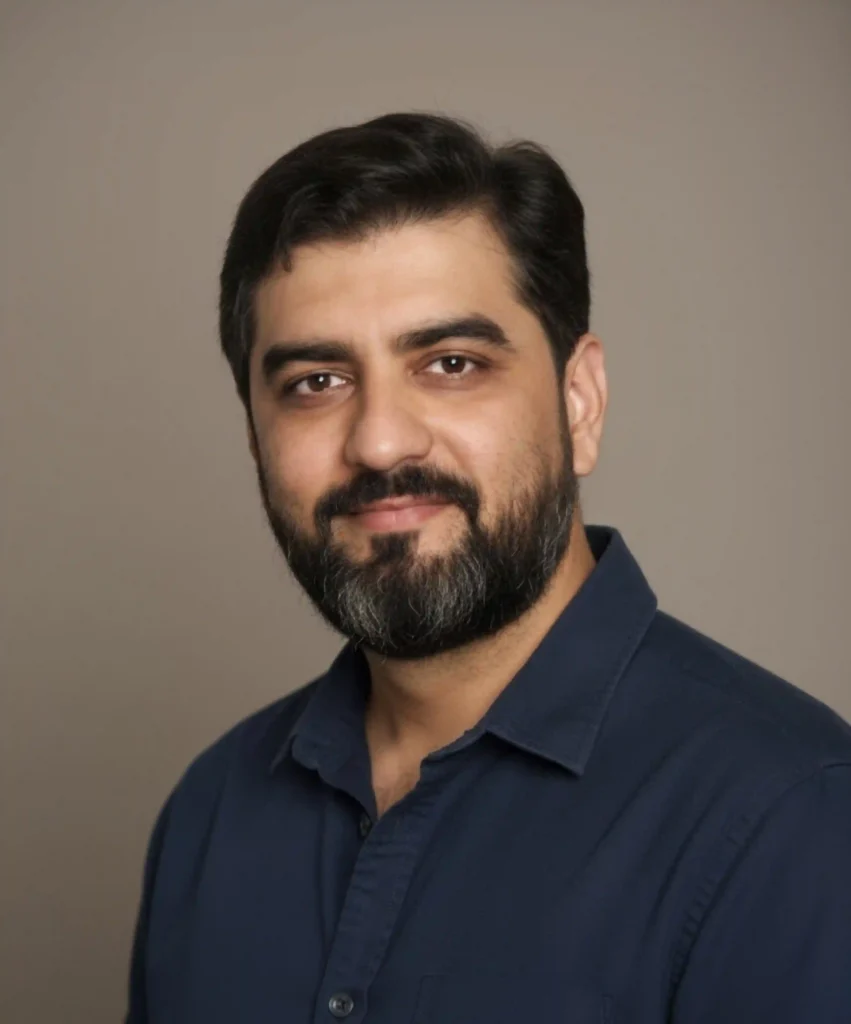
Mr. Soumil Deliwala
Head-Supply Chain & Operations
Go Zero

Shri Kishor Bhusal
Deputy Director
National Productivity Council
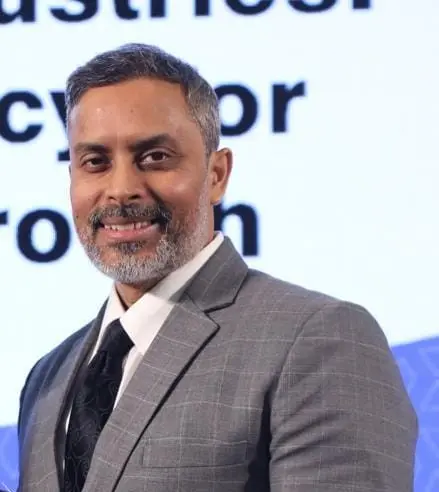
Mr. Rahul Srivastava
Corporate and Strategic Advisor
Ankita Agro and Food Processing Pvt. Ltd & Chandigarh Sweets & Pioneer Group
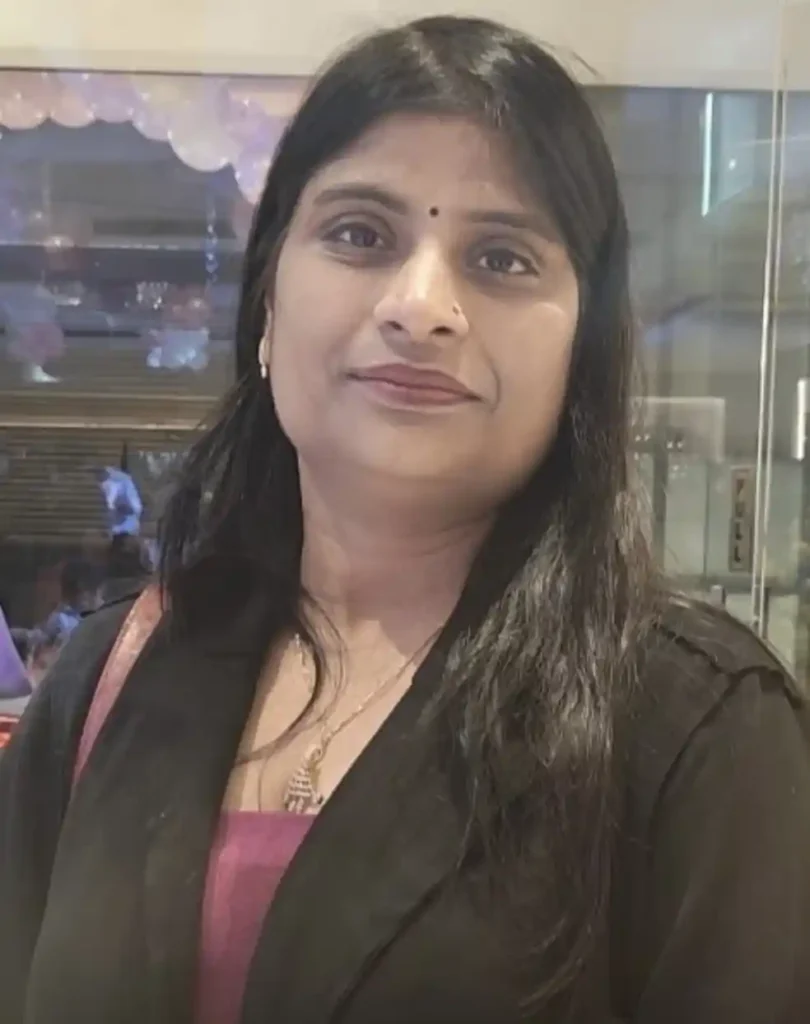
Ms. Rajni Gupta
Country Head
Agristo India
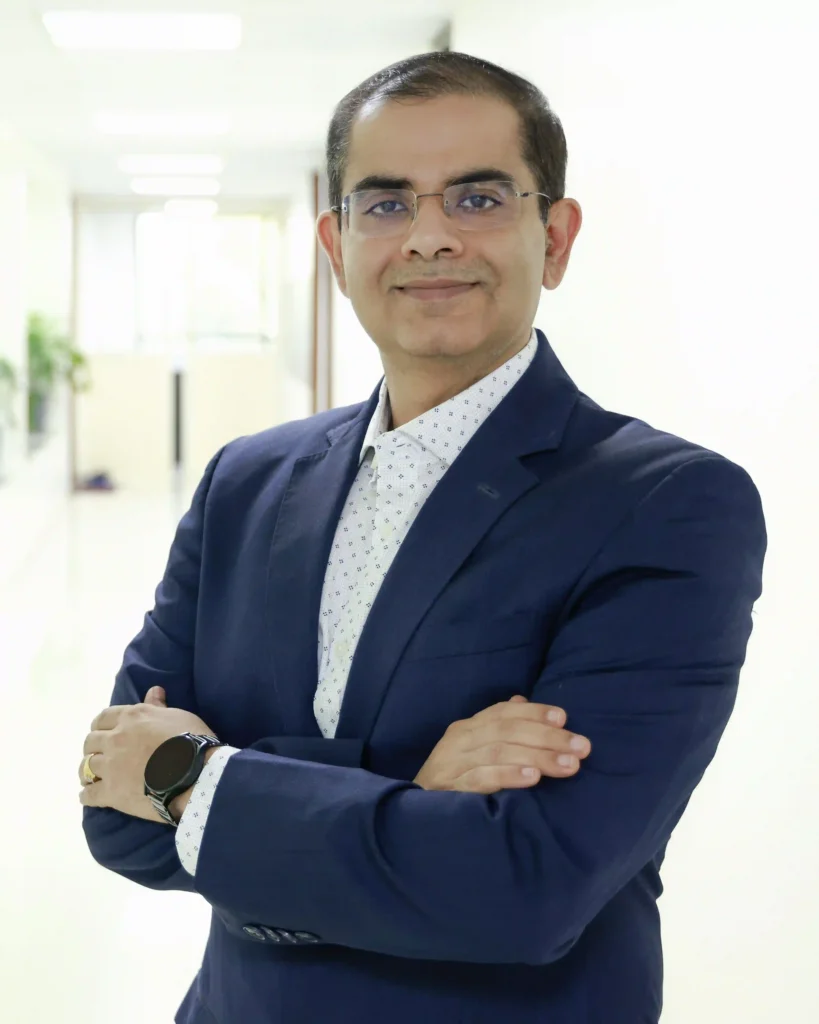
Mr Kaushal Khakhar
CEO
Kay Bee Exports
Session Topics
DAY 1 - Key Discussion Topics
How homegrown giants in peer industries have gone global – Learnings for Indian food processors
To discuss how leading Indian brands in food and consumer industries expanded abroad, highlighting both their global success stories and cautionary tales. The session shares first-hand leadership insights on winning over international consumers and overcoming market challenges.

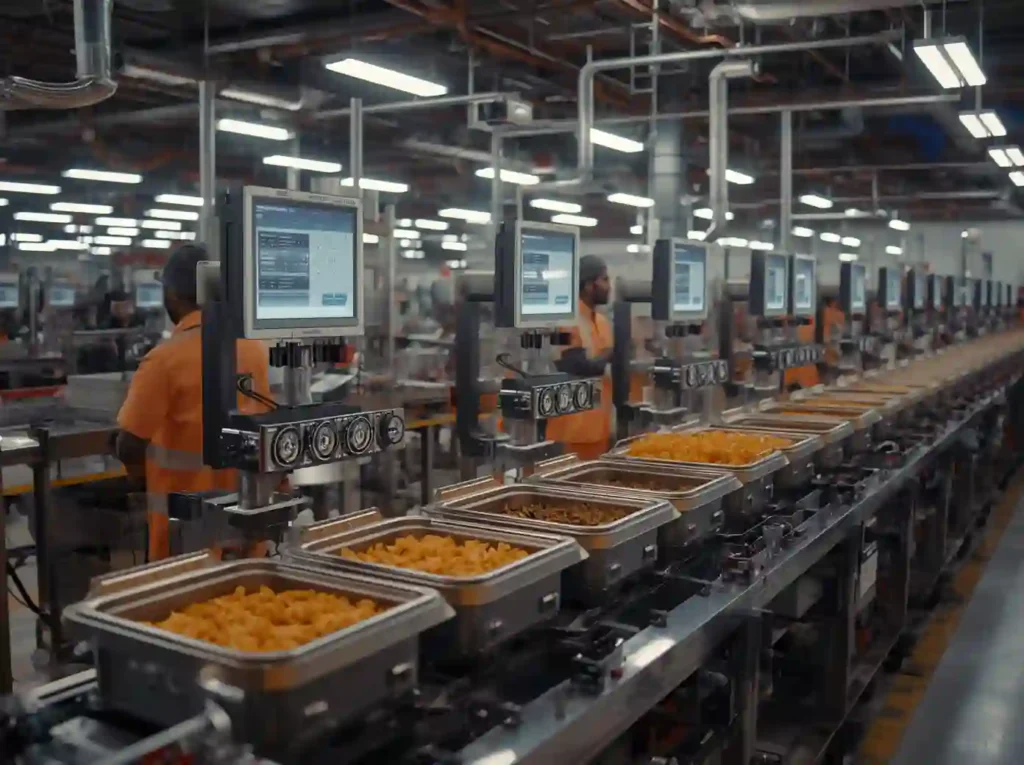
Road ahead for equipment modernization in Indian snack manufacturers’ operations
To discuss how India’s fried savory revolution and the boom in QSR, coffee chains and bakeries are driving the need for equipment modernization. The session will look at the future of snack processing technologies and how smart snack factories can improve productivity, enhance yields, protect margins and minimize waste.
Meeting global standards in Indian MSME food processor operations – Where we stand and where we need to go
To discuss where Indian food MSMEs stand today with regard to hygiene, material and engineering regulations, and how a focus on standards supports the adoption of Good Manufacturing Practices. Looking at plant operations from the time a product enters to the moment it exits the facility, the session examines challenges affecting the adoption and development of standards, as well as the market drivers encouraging the mainstreaming of robust standards in plant operations.
Addressing the bugbear of working capital financing in the SME sector
To discuss the pain points the typical SME food processor contends with. Beset by capital challenges, insufficient in-house financial awareness and strict lending regulations, SMEs face an uphill battle in making ends meet. The session looks at the role of conventional lenders and the access issues confronting SME processors. The discussion explores how digital lending platforms offer a viable alternative to cash-strapped family-run businesses, as well as the important role that VCs play in ensuring that a robust D2C ecosystem exists to support them. Importantly, the session examines the role of policy in promoting the SME sector.
Debate – Is the time ripe for Indian food processors to adopt smart manufacturing technologies, or is it currently a bridge too far?
While the scope for technology to improve manufacturing competitiveness in SME operations is undeniable, the challenge is that promoter- and family-driven food units often have to contend with more immediate issues such as access to and availability of working capital. This debate poses the question of whether the integration of technology in day-to-day SME operations will boost productivity or whether it is a step too soon for operators grappling with operating expenses.
DAY 2 - Key Discussion Topics
Trends shaping the future of baking operations in India
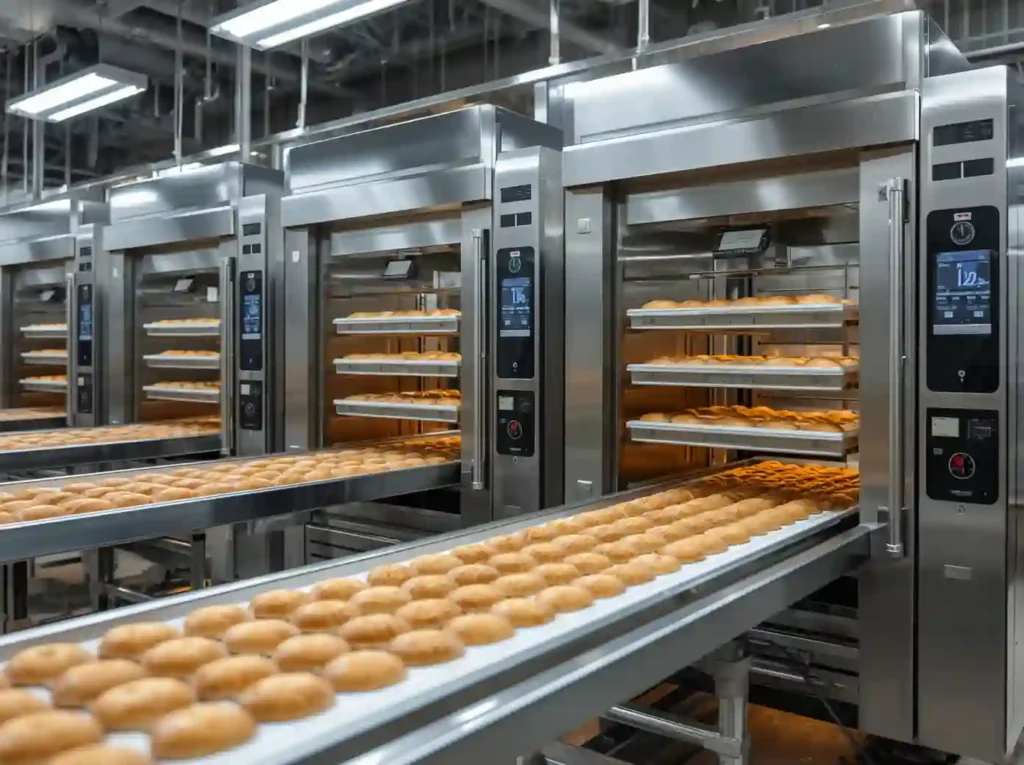
This session studies the key market drivers reshaping the bakery goods market and how clean eating, rising product complexity and tighter labour markets are driving the adoption of automation and digitalisation solutions. Addressing smart manufacturing operations through the lens of sustainability, transparency, quality, hygiene, handling and movement, the discussion explores smart bakery best practices in India and abroad.
Role of innovation in sparking the growth of the Indian food processing industry
The session defines the prototypical SME processor, examining the potential for technology deployment in operations and product movement. Insightful first-person accounts come from SME leaders at different phases of their technology-adoption journeys, with inputs on spend behaviour, challenges faced in technology integration and operational bottlenecks encountered. The session reveals the advantages that accrue to operators both in-plant and in-transit, supported by case studies of successful deployments in Indian contexts.
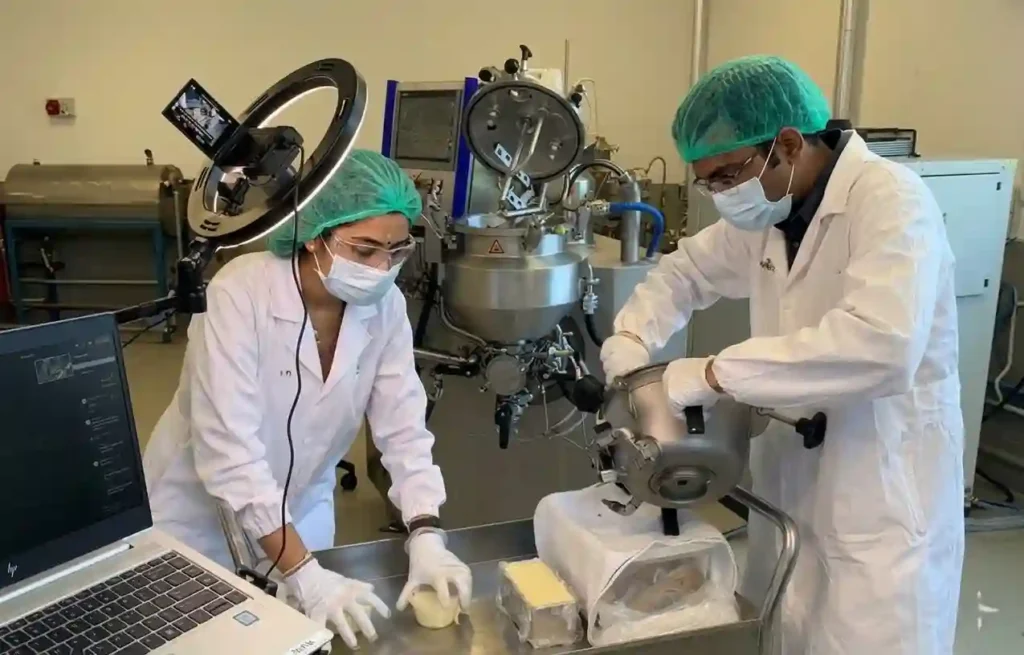
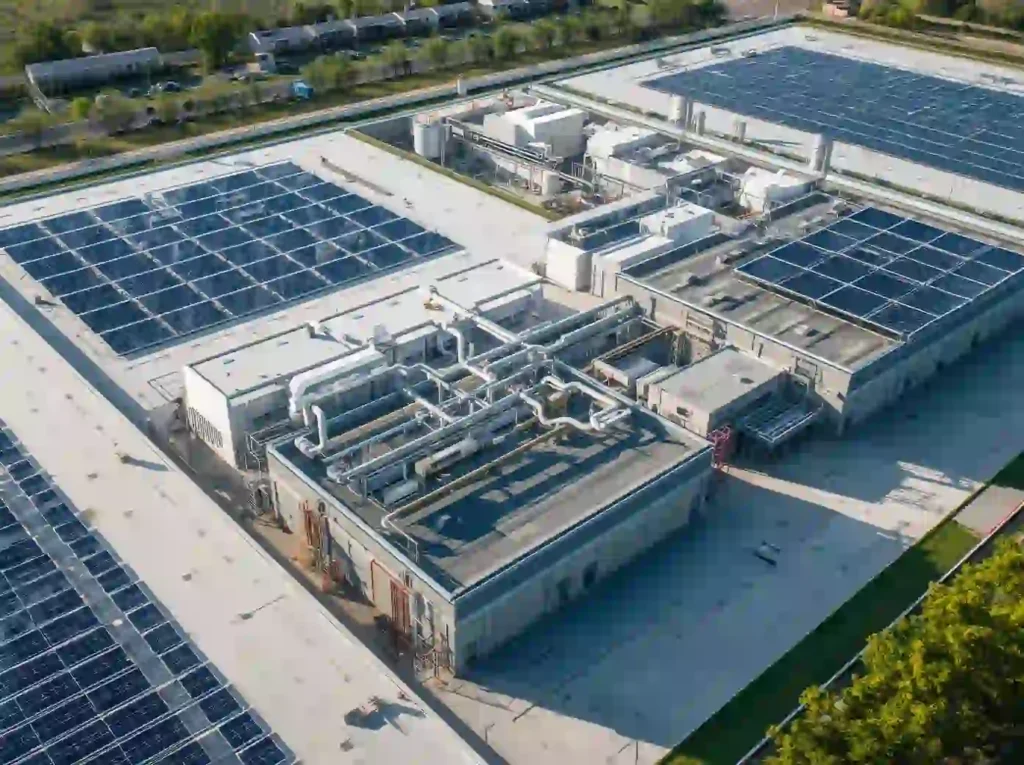
Envisioning the future of energy conservation in Indian food processing operations.
This session looks at demand factors — both HVACR consumption needs in the food processing industry as well as market drivers — that are spurring innovation in thermal processing equipment design, cold storage and industrial refrigeration. Discussing the impact assessment of HVACR operations, the session examines the changing face of technology, with a focus on alternative energy adoption. It also explores energy management best practices and the role of policy as an enabler in driving industry net-zero initiatives.
Where is the Indian F&V processing equipment market headed over the next decade?
Time- and temperature-sensitive goods such as fresh produce demand specialised care both in-plant and in-transit. This session addresses access to and availability of on-demand processing technology solutions for cash-strapped SME operators. Focusing on export competitiveness, the discussion looks at shelf stability and post-harvest losses through the prism of smart preservation and intelligent technologies. Raising the need for compliance-driven equipment design and technology adoption to boost manufacturing excellence in SME operations, the session includes leadership accounts and use-case illustrations of process deployments in Indian contexts and global best practices.
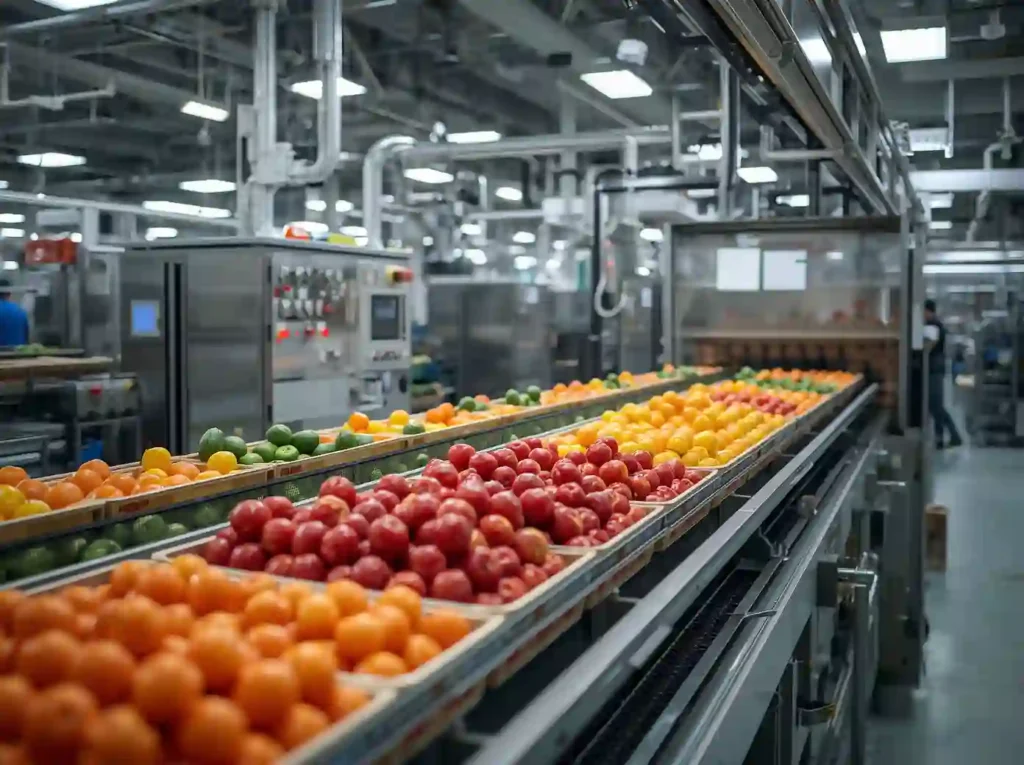
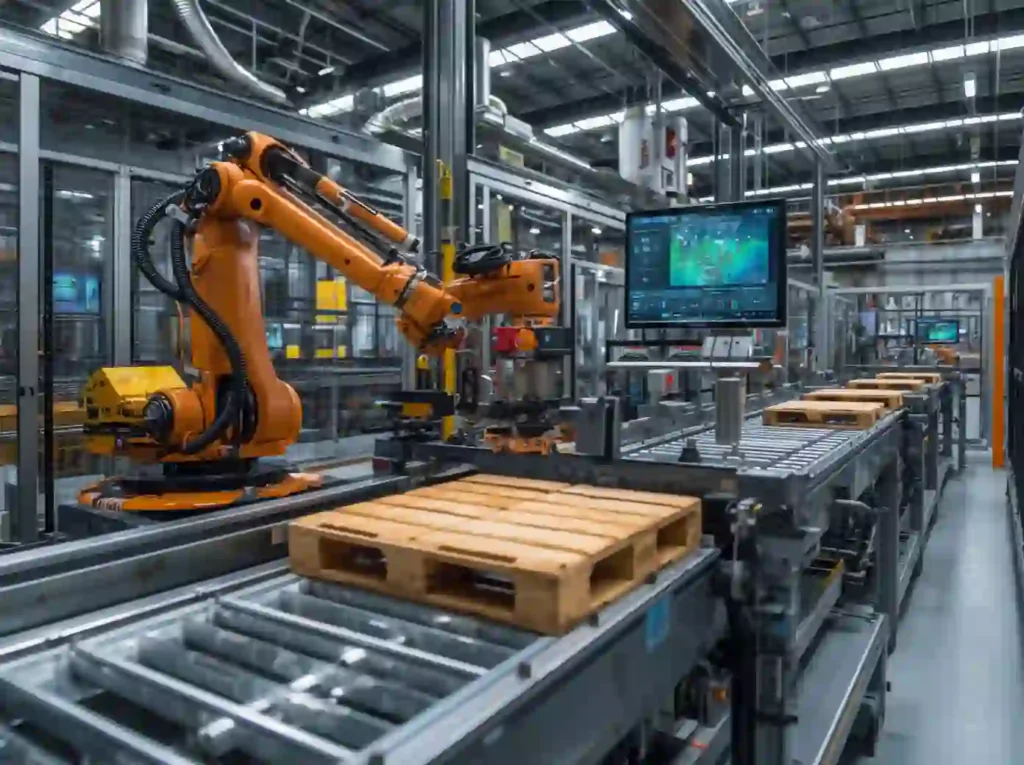
Material handling in food processing – A role beyond logistics.
To discuss how material handling in food processing operations has evolved from cargo movement to the design of product handling from entry to exit within a facility. Viewed through the lens of quality, safety, hygiene and efficiency, material handling today offers food processors a strategic advantage. The session addresses the challenges faced by modern processors and how automated, data-driven systems are enabling a more ergonomic approach to material handling solution design.
Debate – Is the growth of the clean-label industry mirrored by a rise in the number of natural and organic ingredient manufacturers, or is it a case of smart positioning?
Today’s consumer is demanding: educated, aware, conscious and careful about what they consume. With clean living the new buzzword, there is much promise in the rise of manufacturers who can marry taste with health. This debate poses the question of whether this market opportunity has seen a proportionate rise in natural and organic manufacturers, or whether perception has moved faster than reality. Join us as we discuss what is actually taking place when the race to win consumer favour meets stringent regulation.
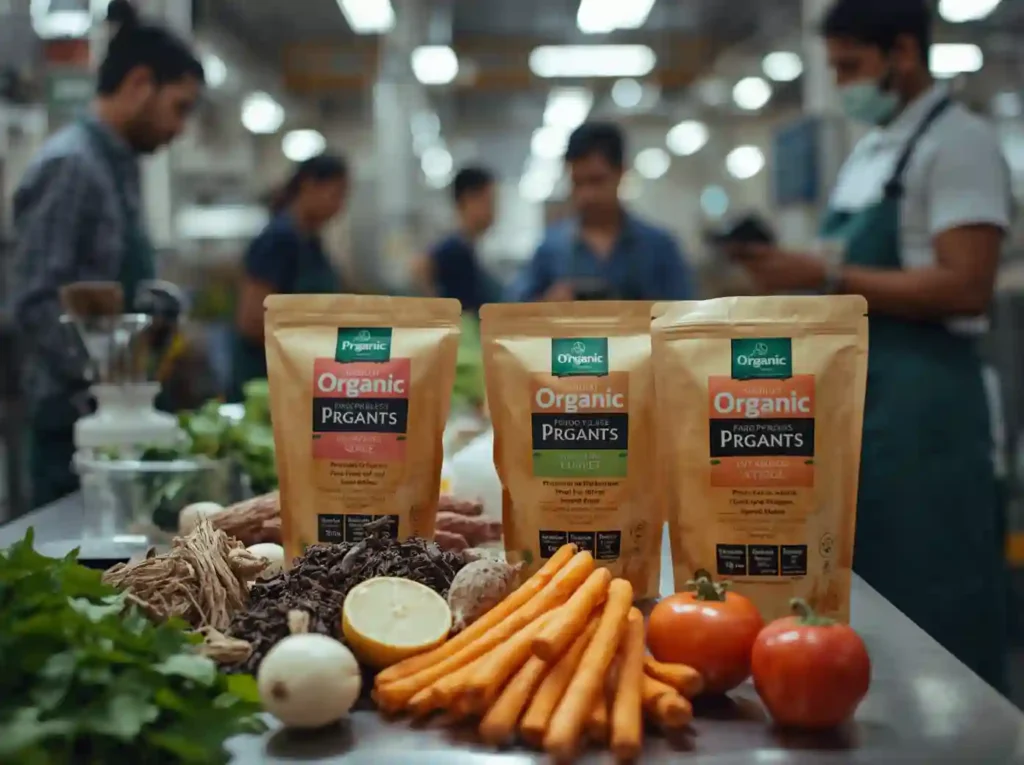
Key Buyer Profiles
Bakery wares
Cereal and cereal products
Confectionery
Eggs and egg products
Fats and oils, and fat emulsions
Fish and fish products
Foodstuffs (nutritional uses)
Fresh and processed fruits
Fresh and processed vegetables

Indian snacks and savoury products

Indian sweets
Meat and meat products (including poultry)

Prepared foods (convenience)
Ready-to-eat savouries
Salts, spices, soups, sauces, salads and protein products
Substances added to food (additives, enzymes, flavourings, nutrients and their applications)
Sweeteners
Core Focus Areas
The conference agenda is meticulously curated to address manufacturing competitiveness in Indian food processing plant operations. It will cover:
Market drivers sparking the manufacturing excellence revolution in processor operations
The way ahead for food processors in charting an operational roadmap to adopt quality, safety and hygiene standards
Mainstreaming the adoption of hygienic, quality-compliant and safety-defined equipment design and compatibility to spur manufacturing competitiveness in processor units.
Best practices in future-ready snack factories and next-generation smart bakeries
The role of automation and robotics in human interfaces to safeguard against infection and contamination risk, while better deploying the workforce for productivity gains
How predictive, sensor, simulation, geospatial and drone technologies enhance in-plant productivity and optimise in-transit movement
How big data and analytics minimise downtime and idling, optimise inventory management, enable real-time redressal of operational mishaps, improve material handling and support safer transport
Adoption of food hygiene, material and engineering standards in operations
Reconciliation of supplier standards with international regulatory benchmarks to ensure export competitiveness and resilience
The role of data and innovation in water stewardship and waste minimisation
Scope for efficiency drives in energy conservation across food preservation, safety, quality, hygiene, handling and movement processes
Areas of improvement in documentation and labelling to ensure the export competitiveness of Indian products
Profood India 2026 Conference National Advisory Committee (NAC)
Vision
To position India as a food processing industry of international repute & global renown by prioritising manufacturing competitiveness & export readiness.
- Global Repute
- Manufacturing Competitiveness
- Export Readiness
Mission
Sparking growth of in-plant & in-transit processor operations via knowledge-sharing of adopter Best Practices, and solutions available in processing equipment design, technology tool & data science adoption, energy conservation, material handling design, sustainability, and standard & certification compliance.
- Knowledge Sharing
- Technology & Innovation
- Sustainability & Compliance
About the ProFood India 2026 Conference National Advisory Committee
To pursue the stated Vision, and achieve the Mission Statement, we at Messe Muenchen India (MMI) are constituting the ProFood India 2026 National Advisory Committee (NAC). This newly constituted leadership group will serve as an elite, expert brain trust spanning large-scale & SME food processors, innovators, HVACR & processing equipment manufacturers, material handlers, standards & certification leaders, administrators, and R&D heads.
NAC LEADERSHIP RESPONSIBILITIES
Designed to support the ProFood India secretariat at MMI, the NAC leadership will be responsible for -
Design & constitution of the thought leadership group for the conference agenda
Design & constitution of a VIP group comprising captains of food industry, policymakers, & regulators, to open the conference proceedings on Day I
Design & constitution of a hosted buyer program for the conference
Design & constitution of an ‘Innovator Showcase’ to demonstrate cutting-edge technologies, material handling, & data science solutions
Design & constitution of ‘Smart Operators Pavilion’ to showcase Use Cases & illustrations of Smart Manufacturing Practices in Indian plant operations
Design & constitution of ‘Best Practices Pavilion’ to showcase international Indian MNC processors that demonstrate future-ready facility operations
For further information on the ProFood India 2026 Conference NAC, kindly reach out toUday Laroia at uday.laroia@mm-india.in.
Supporting Partners

Contact
For speaker enquiries, registration and general enquiries:
Hasina Dhopaunkar
Project Manager
- hasina.dhopaunkar@mm-india.in
- +91 7303666763
For partnership enquiries:
Aun Alia
Deputy Project Director
- aun.alia@mm-india.in
- +91 8826332339
For marketing enquiries:
Trilok Prabhakaran
Senior Brand Manager - MARCOM
- trilok.prabhakaran@mm-india.in
- +91 9870115090